
Window replacement and installation in Orlando
Window replacement with Florida-approved product, permit pulled, sealed and finished inside.
A window with failed sealant pushes water into the wall every time the rain blows sideways.
Book online, right here
Pick the time for your free windows inspection
Choose the day and hour that suit you and a technician will be at your property. The inspection is free and carries no obligation; if you would rather talk first, call us.
Is water coming in, or is there smoke or damage happening right now? Do not use the calendar: call us and we come out today. (407) 305-5232
Prefer not to pick a time? Tell us what happened, send photos and we will call you.
Booking is handled by our scheduling platform. Whatever you enter there is treated under our privacy policy.
Why it is urgent
What is happening in your property right now
A window in Florida works year round: direct sun, high humidity, pressure swings and rain driven sideways by the wind. The first thing to give out is almost never the glass, it is the seal.
When the seal on an insulated glass unit fails you get a milky haze between the two panes. It will not wipe off from either side, because the sealed cavity lost its airtight barrier and the window stopped insulating the way its label says it does.
The expensive damage is the damage you cannot see. When the perimeter sealant or the flashing is spent, water travels in beside the frame and soaks the inside of the wall without ever showing on the glass. We have spent years opening walls after water damage, and this is one of the causes we find most often.
What it includes
The work, step by step
No fine print: this is exactly what we do, and in what order.
Measured opening by opening
We measure every opening on its own. In Florida homes almost no two windows are truly identical, and a measurement inherited from the plans is the most common way to ruin an install.
State-approved product
Every window we install carries its Florida Product Approval number or its NOA. Without that number the county will not sign off on the installation, no matter how good the window is.
Permit in your name
We pull the permit with your city or county. Changing windows without one complicates the sale of the house later and hands your insurer a reason to argue a claim.
Removal without extra damage
We take the old window out while protecting the stucco outside and the drywall inside. The less we open, the less there is to put back.
Anchoring and sealing
Anchoring follows the product approval sheet exactly: fastener type, count and spacing. Then comes the perimeter sealant and the flashing, which is what actually stops the water.
County inspection
The inspector checks the work and closes the permit. We hand you the closed permit, which is the paperwork you will need the day you sell.
Interior finish
We put back trim, drywall and paint. You are not left with an open wall.
Window styles
Which one suits each opening
It is not only a matter of taste. In Florida the style decides how much air moves through, where the water runs off and whether the opening can serve as an emergency exit.
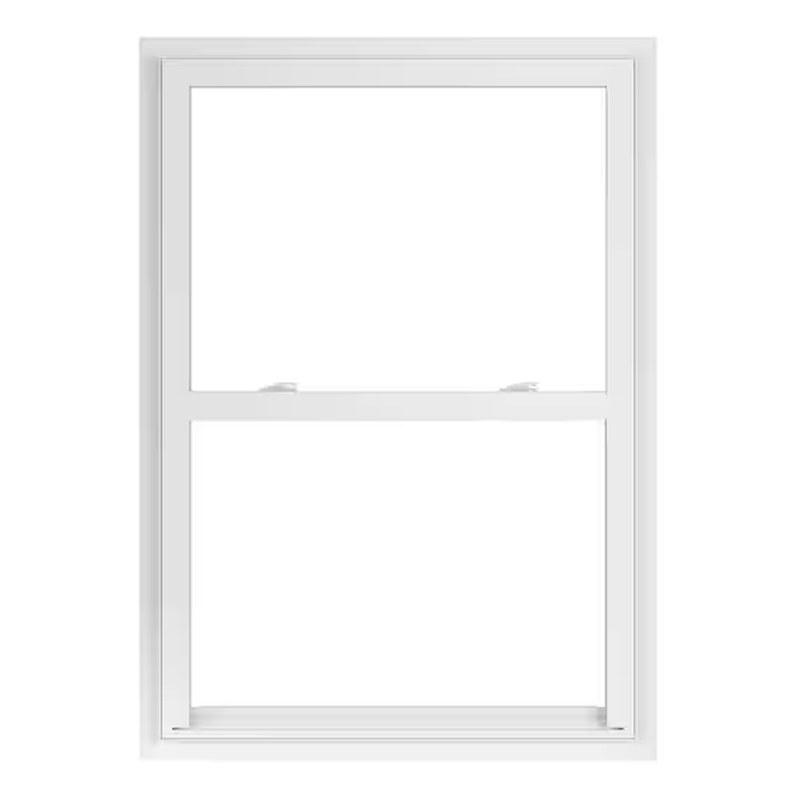
Single-hung
Only the bottom sash moves. It is the most common window in Florida homes and the cheapest to swap like for like.
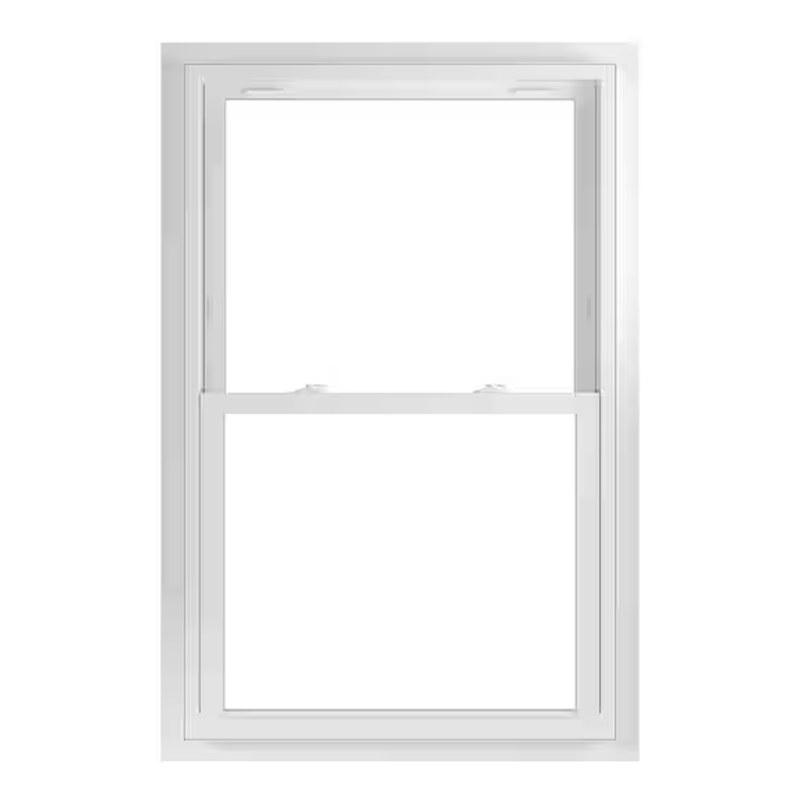
Double-hung
Both sashes move and usually tilt inward so you can clean them from inside. Worth it on a second floor.
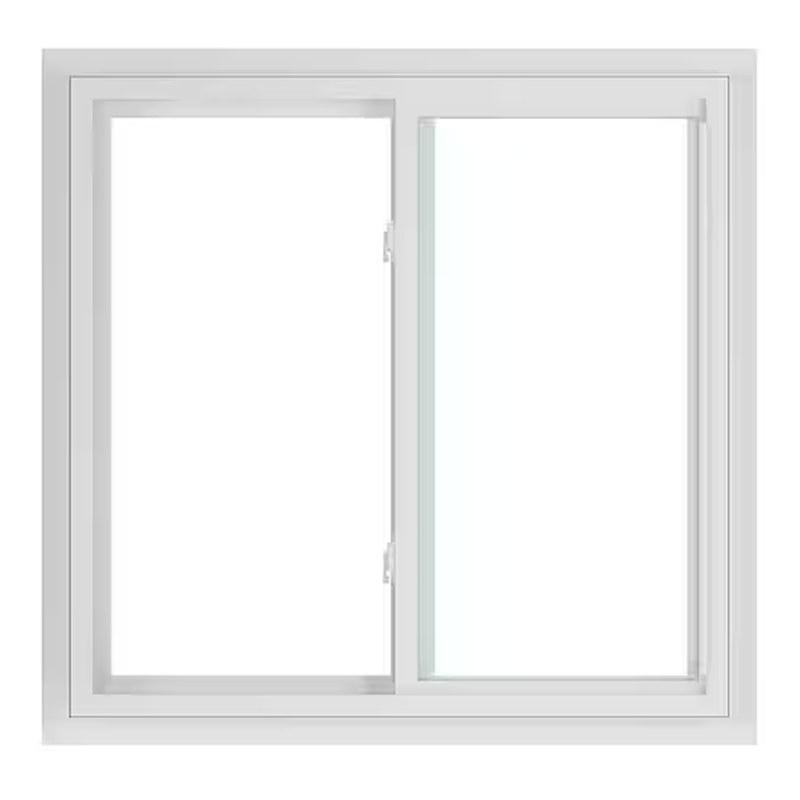
Slider
Runs sideways, takes no space outside and is easy to operate. Common in wide openings and in bedrooms that need an emergency exit.
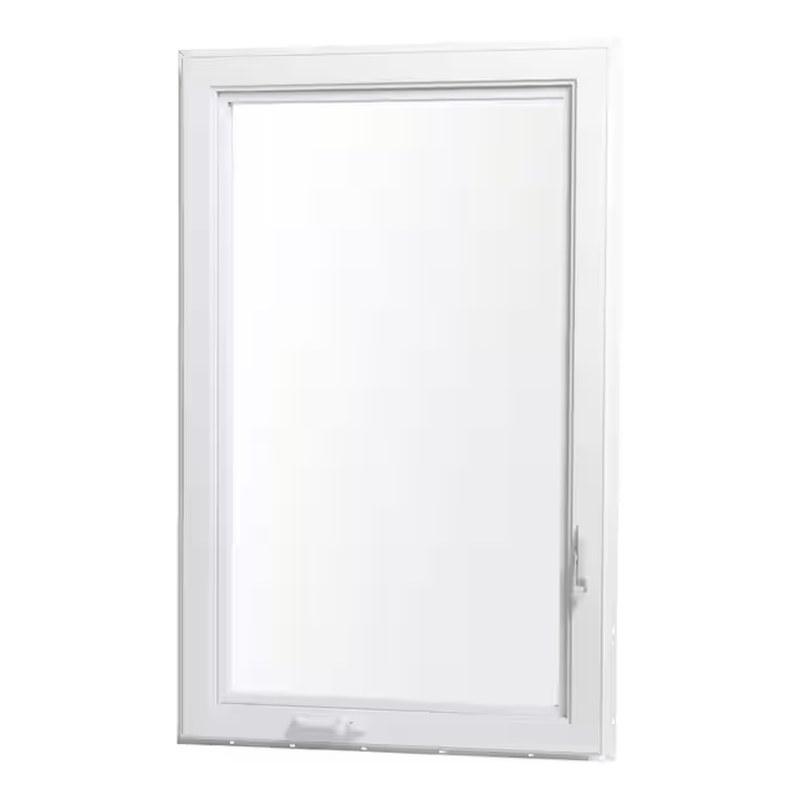
Casement
Cranks open as a whole panel, so it ventilates better than any other style. It seals tightly because the wind pushes it against the frame.
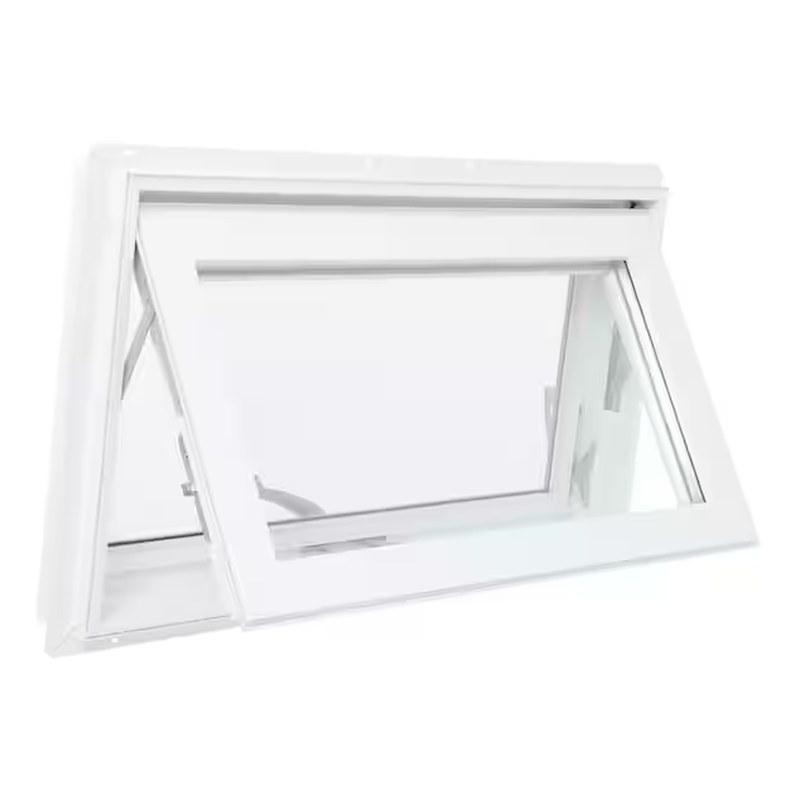
Awning
Hinged at the top, it opens outward and acts as a small canopy. You can leave it open in light rain, which counts for something in a Florida summer.

Fixed or picture
Does not open. Used for light and view where ventilation is not needed, and it insulates best because nothing moves.
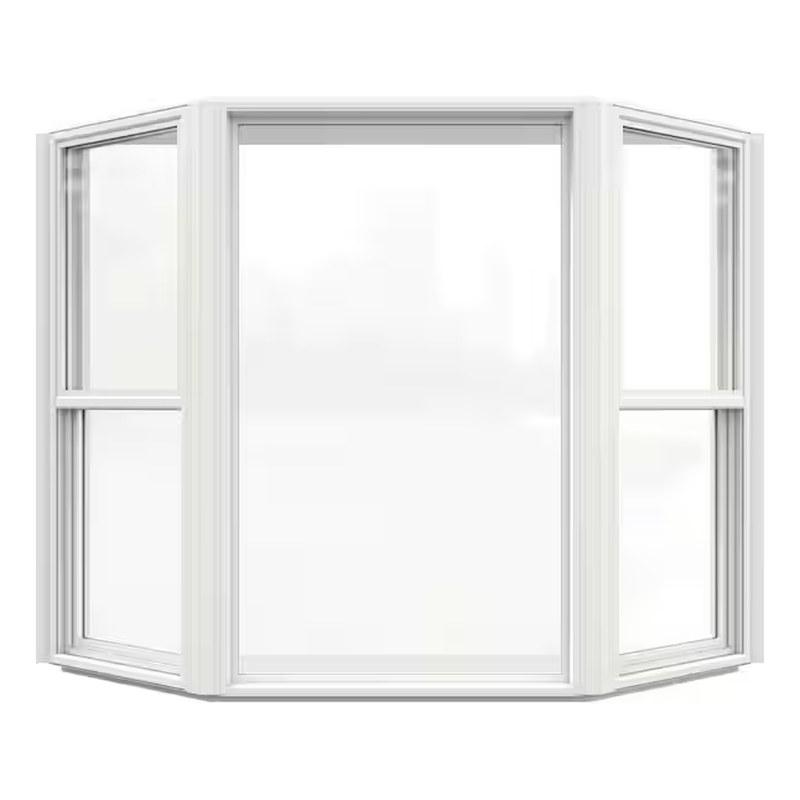
Bay
Projects out from the wall in three panes and gains interior space. Its little roof needs checking: if that sealing fails, water comes in from above.
About the frame material
In Central Florida vinyl and aluminum take almost all the residential work: both handle the humidity without rotting or swelling. Fiberglass performs very well and costs more. Wood looks beautiful and struggles here, since humidity and termites go after it, so we only recommend it when the style of the house genuinely calls for it.
Before you ask for a quote
The parts of a window, by name
When two quotes do not line up, it is almost always because one replaces the whole window and the other only the sash. These ten names let you read any estimate and compare like with like.
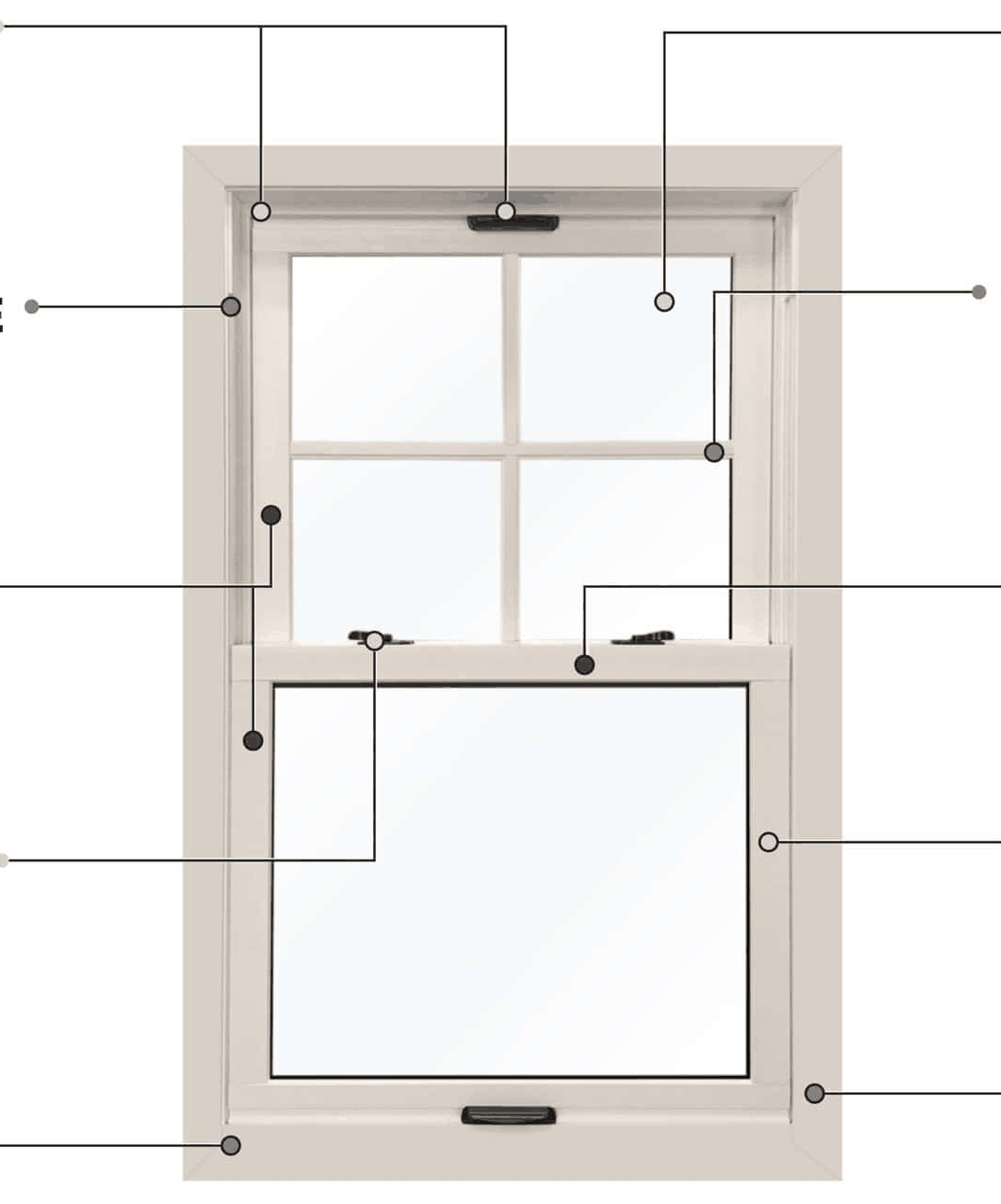
- Jamb
- The vertical sides of the frame, the part against the wall. If the jamb has rotted, new glass alone will not fix it.
- Frame
- The fixed piece anchored into the opening that carries everything else. Replacing the frame is a bigger job than replacing the sash.
- Sash
- The moving panel that slides up and down with the glass in it. Cheap quotes often replace only this.
- Sash lock
- The latch that joins the two sashes. Beyond locking, it pulls them tight against the weatherstrip: if it does not catch properly the window whistles in the wind.
- Sill
- The horizontal base, sloped outward so water runs off. It is where we find leaks more often than anywhere else.
- Glass
- In a modern window it is two panes with a sealed cavity between them. Haze between the panes means that seal has failed.
- Grilles
- The bars that divide the glass into panes. Today they usually sit inside the sealed cavity so there is nothing to clean around.
- Rails
- The horizontal members of the sash, top and bottom. The meeting rail is where the lock sits.
- Stiles
- The vertical members of the sash, running down each side and carrying the balance system.
- Trim
- The finish covering the joint between frame and wall. It goes on last and it is the first thing anyone notices if it was done badly.
Why us
Why choose us for windows
Installing windows in Florida is regulated work: it is not a handyman job, and it is not a job for a company that only sells the product.
We are a restoration company. We know where water gets in because repairing it is what we do, and that changes how a window gets sealed.
We pull the permit, and the interior finish runs under the same contract and the same warranty.
When we finish you get the product approval sheets and the installation photos: the documentation a wind mitigation inspector needs for your insurance credit.
We live and work in this community. We are not a national franchise dispatching a crew from another state.
Warranty
What we stand behind in writing
Interior repairs
1 year
Roofing work
20 years
It covers our workmanship. Materials additionally carry their manufacturer's warranty, which is handed over with the job.
It does not cover new damage. If a problem shows up later from another cause — another storm, another leak, lack of maintenance, or work done by somebody else — that is a separate loss and gets handled as one.
The term that applies to your job is put in writing in the service agreement before work starts.
Frequently asked
What people ask us most
If your question is not here, call us and we will answer it on the phone, no obligation.
Am I required to install impact windows in Orlando?
In most of Orlando, no. Central Orange County sits outside the wind-borne debris region, so the code calls for windows rated for the local design wind pressure rather than impact glass specifically. It changes if your home faces a large lake, or sits toward the coast in Brevard or Volusia, where impact glass or approved protection is generally required. We confirm it against your address before quoting, because the answer depends on exactly where the house stands.
What is the 25% rule?
It is Section 707.4 of the Florida Building Code, Existing Building. For homes inside the wind-borne debris region built under an older code, you may replace up to 25% of the total glazed opening area within any twelve-month period without triggering the opening protection requirement. Cross that 25% and everything you replace has to meet the current requirement. That is why it pays to plan the whole project instead of swapping windows two at a time.
Will impact windows lower my insurance?
They can, and it is usually the largest discount available. Florida law (statute 627.0629) requires insurers to offer credits for wind-resistant construction, and opening protection is one of the heaviest line items. It is not automatic: an authorized inspector has to document it on the state wind mitigation form, and each carrier sets its own amount. We give you the product approvals and photos that inspector needs.
Which numbers should I look at on the label?
Two. U-factor measures how much heat passes through the window, and SHGC measures how much solar heat it lets through. In Central Florida the code allows a maximum U-factor of 0.40 and SHGC of 0.25, and impact-rated windows are permitted up to 0.65 U-factor. ENERGY STAR for the Southern zone is stricter at 0.32 and 0.23. In a climate that cools almost year round, SHGC is the number you actually feel on the power bill.
The glass fogged up on the inside. Can it be cleaned?
No. That haze sits inside the sealed cavity between the two panes, so no surface you can reach will touch it. It is the sign that the perimeter seal failed and the window lost its insulating value. The fix is replacing the sash or the window; cleaning the outside changes nothing.
Do I need a permit to replace windows?
Yes. Window replacement is permitted work throughout Central Florida, even when the new window is the same size as the old one. The permit is the record that approved product went in and that an inspector reviewed it. Note as well that permits applied for on or after December 31, 2026 are reviewed under the ninth edition of the code.
Is there state help paying for them?
The My Safe Florida Home program offers matching grants of up to $10,000 for hurricane mitigation improvements, impact windows included, and it is currently limited to low and moderate income households. Funding opens and runs out in cycles, so check availability at mysafeflhome.com before counting on it. If you do not qualify or funding is closed, we also work with financing.
24-hour emergency service, 7 days a week
Every hour that passes, the damage costs more
Call us and we will tell you on that same call what to do right now, even if you end up hiring someone else. The inspection is free and so is the advice.
- Free inspection, no obligation
- Our Team Is Here to Assist You in English & Spanish
- Licensed and insured in the State of Florida
We serve Windermere, Winter Park, Lake Nona, Dr. Phillips, Bay Hill, Golden Oak, Bella Collina, Montverde, Heathrow, Lake Mary, Longwood, Maitland, Celebration, Winter Garden, Horizon West and the rest of Central Florida.